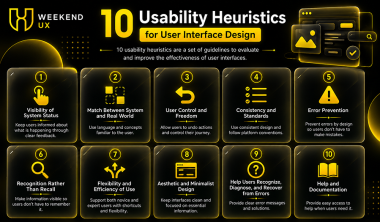
Product Design Course: Discover Digital Product Design, Product Strategy, and UX/UI
A Product Design Course is an excellent way to build practical skills for designing useful, engaging, and business-focused digital products. As companies increasingly invest in digital experiences, skilled product designers are needed to transform user problems into intuitive websites, mobile applications, SaaS platforms, and digital services.
The Product Design Course by Weekend UX is designed for beginners, students, working professionals, graphic designers, UI designers, UX designers, and entrepreneurs who want to develop industry-ready product design skills. The curriculum combines UX design, UI design, user research, wireframing, prototyping, design systems, usability testing, interaction design, and product thinking.
Instead of focusing only on visual design, the course teaches you how to understand users, identify problems, define product requirements, create design solutions, validate ideas, and collaborate with product and development teams.
With hands-on projects and an industry-oriented curriculum, learners can develop a professional portfolio while understanding how modern digital products are planned and designed.
Why Choose a Product Design Course?
Modern businesses need products that are not only visually attractive but also easy to understand, simple to navigate, accessible, and aligned with business objectives. This is why product design has become an important career skill.
A structured Product Design Course helps learners understand the complete design process instead of learning individual tools separately. You learn how research, UX strategy, information architecture, UI design, prototyping, testing, and product decisions work together.
Weekend UX focuses on practical learning so that students can apply design principles to realistic projects. The course can help you understand how professional designers approach complex product problems and turn them into usable digital experiences.
Key benefits include:
Learn the complete product design process
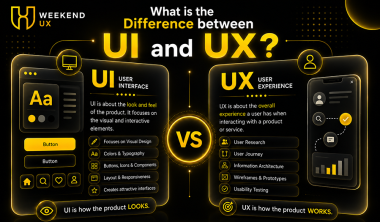
Understand UX and UI design fundamentals
Develop user research skills
Create wireframes and interactive prototypes
Learn design systems and visual consistency
Understand responsive and mobile-first design
Practice usability testing
Build portfolio-ready projects
Learn product thinking and design strategy
Understand collaboration with developers and product managers
Improve your presentation and design communication skills
What Will You Learn?
The Product Design Course covers the major stages of digital product development from problem discovery to final interface design.
1. Introduction to Product Design
You will gain knowledge about the duties of product designers and their contributions to technical and business teams.
Product lifecycle, design roles, design thinking, user-centered design, and industry workflows are among the topics covered.
2. User Research
Good products begin with a strong understanding of users. You will learn how to identify target audiences, understand user needs, analyze pain points, and gather meaningful insights.
Research methods may include user interviews, surveys, competitor analysis, observation, user personas, empathy mapping, and customer journey mapping.
3. Problem Definition
Once research is completed, designers need to identify the right problem to solve. You will learn how to convert research findings into clear problem statements and design opportunities.
This stage helps you avoid designing features simply because they look attractive and instead focus on solving genuine user and business problems.
4. Information Architecture
Information architecture determines how content and functionality are organized within a product.
During the course, you can learn about navigation structures, content hierarchy, user flows, categories, labels, and information organization. These concepts help create products that users can navigate naturally.
5. Wireframing
Wireframes provide a structural foundation for digital interfaces. You will learn how to create low-fidelity and high-fidelity wireframes to communicate layout, hierarchy, functionality, and user flows.
Wireframing allows designers to test ideas before spending significant time on visual design.
6. UI Design
Visual design plays an important role in product experiences. The Product Design Course introduces essential UI design principles including typography, color, spacing, grids, composition, icons, buttons, forms, cards, navigation, and visual hierarchy.
You will understand how these elements work together to create consistent and engaging interfaces.
7. Interaction Design
You can learn about micro-interactions, transitions, feedback states, hover states, loading experiences, error handling, form interactions, and interactive components.
The objective is to make interfaces predictable, understandable, and enjoyable to use.
8. Prototyping
Prototypes allow designers to simulate how a product works before development.
You will learn how to connect screens, create user flows, demonstrate interactions, and communicate product concepts to stakeholders and developers.
Prototyping is particularly useful for identifying usability problems early in the product development process.
9. Design Systems
Consistent design is essential for scalable digital products. A design system provides reusable components, patterns, guidelines, and visual standards.
The course introduces concepts such as components, variants, spacing systems, typography scales, color systems, buttons, forms, cards, and reusable UI patterns.
10. Usability Testing
You will learn the fundamentals of usability testing and how to identify friction points within a product experience.
Testing can help designers understand whether users can complete important tasks efficiently and where improvements are required.
Product Design Tools
A professional Product Design Course should combine design theory with practical tools. Depending on the curriculum and project requirements, learners may work with popular design and collaboration tools.
Common product design tools include:
Figma
FigJam
Adobe Creative Cloud
Miro
Notion
Prototyping platforms
User research and testing tools
Figma is particularly important because it supports interface design, prototyping, components, design systems, and collaborative workflows in one environment.
However, learning a tool is only one part of becoming a product designer.
Who Should Join This Product Design Course?
The Product Design Course can be suitable for a wide range of learners.
Beginners
If you are starting your design career, the course can provide a structured path from fundamentals to practical projects.
Graphic Designers
Graphic designers can expand their existing visual design skills into UX, UI, interaction design, and product thinking.
UI/UX Designers
Existing designers can strengthen their research, strategy, prototyping, and product development knowledge.
Students
Students interested in technology, design, business, or creative careers can use product design skills to prepare for modern design roles.
Working Professionals
Professionals looking to transition into digital design can use structured learning and portfolio projects to demonstrate their capabilities.
Entrepreneurs
Startup founders and business owners can learn how user-centered design contributes to better digital products and customer experiences.
Career Opportunities After a Product Design Course
Completing a Product Design Course can help learners prepare for several digital design career paths. Your exact career opportunities will depend on your portfolio, experience, specialization, and interview performance.
Potential roles include:
Product Designer
UX Designer
UI/UX Designer
UX Researcher
Interaction Designer
User Interface Designer
Experience Designer
Visual Designer
Design System Designer
Junior Product Designer
Product designers may work in technology companies, SaaS businesses, startups, agencies, e-commerce companies, fintech organizations, education platforms, healthcare technology, and other digital businesses.
Build a Strong Product Design Portfolio
A portfolio is one of the most important assets for an aspiring product designer. Employers generally want to see not only the final screens but also how you reached your design decisions.
A strong portfolio project should explain:
The product or business problem
Target users
Research findings
User pain points
Problem statement
User journey
Information architecture
Wireframes
Design exploration
Final UI
Prototype
Testing and iterations
Final outcomes
The Product Design Course should therefore emphasize project-based learning and case-study development rather than only theoretical lessons.
Product Design Course Curriculum
A comprehensive curriculum may include the following modules:
Module 1: Introduction to Product Design
Module 2: Design Thinking
Module 3: User Research
Module 4: User Personas and Empathy Mapping
Module 5: Customer Journey Mapping
Module 6: Information Architecture
Module 7: User Flows
Module 8: Wireframing
Module 9: UI Design Fundamentals
Module 10: Typography and Color
Module 11: Responsive Design
Module 12: Interaction Design
Module 13: Prototyping
Module 14: Design Systems
Module 15: Usability Testing
Module 16: Product Strategy
Module 17: Portfolio Development
Module 18: Product Design Case Study
This structure provides learners with a complete understanding of the design journey from research to final product experience.
Product Design Course With Practical Projects
Theory becomes more valuable when learners can apply it to realistic design challenges. Weekend UX can help learners practice through projects that simulate professional product design situations.
Projects may involve designing a SaaS dashboard, mobile application, e-commerce platform, fintech product, booking platform, education application, or business website.
Each project can help you practice research, user flows, wireframes, UI screens, prototyping, testing, and case-study presentation.
Practical projects also give learners opportunities to identify mistakes, receive feedback, and improve their design thinking.
Why Product Thinking Matters
Product design is not simply about creating attractive screens. Designers need to understand why a feature exists, who needs it, what problem it solves, and how it supports business objectives.
Product thinking encourages designers to balance three important areas:
User needs + Business goals + Technical feasibility
When these areas are considered together, design decisions become more meaningful. This approach helps designers collaborate effectively with product managers, developers, marketers, researchers, and business stakeholders.
Weekend UX Product Design Learning Experience
Weekend UX provides an opportunity for learners who want to develop product design skills alongside their existing education or professional responsibilities.
A structured learning environment can make it easier to maintain consistency, practice regularly, receive feedback, and work toward portfolio development.
The goal should be to help learners understand both the process and reasoning behind product design, rather than simply teaching software features.
Product Design Course for Career Growth
The digital product industry continues to require professionals who can combine creativity with analytical and problem-solving skills. A Product Design Course can help you build these capabilities through structured learning and project practice.
Whether you want to start a new career, move from graphic design into UX, strengthen your existing UI skills, or understand product strategy, learning product design can provide a strong foundation.
The most important step after completing the course is continued practice. Build projects, analyze existing products, conduct usability tests, improve your portfolio, and stay updated with evolving design practices.
How to Choose the Right Product Design Course
Before enrolling, evaluate the course based on several factors:
Practical Curriculum
Look for a curriculum covering research, UX, UI, prototyping, testing, and product thinking.
Portfolio Projects
Choose learning programs that provide opportunities to create complete case studies.
Industry-Relevant Tools
Make sure the curriculum includes commonly used tools and modern design workflows.
Mentorship and Feedback
Constructive feedback can significantly improve your design skills.
Career Guidance
Portfolio reviews, interview preparation, resume guidance, and career support can be valuable additions.
Flexible Learning
Weekend or flexible formats can be useful for working professionals and students who cannot attend traditional full-time programs.
Start Your Product Design Journey
A Product Design Course can provide the foundation needed to understand how successful digital products are researched, planned, designed, tested, and improved.
With Weekend UX, learners can focus on developing practical UX/UI knowledge, product thinking, design skills, and portfolio projects. The combination of structured learning and continuous practice can help you become more confident when approaching real-world design problems.
If your goal is to build a career in digital product design, now is a good time to start developing the skills employers and modern businesses value.
Conclusion
Choosing the right Product Design Course can help you develop a structured understanding of UX, UI, research, interaction design, prototyping, testing, and product strategy. Weekend UX provides a practical learning path for individuals who want to strengthen their digital product design capabilities and create meaningful portfolio projects.
Rather than learning design tools alone, focus on understanding users, solving problems, validating ideas, communicating decisions, and designing experiences that create value. With consistent practice and a strong portfolio, these skills can become a foundation for pursuing opportunities in the growing digital product design industry